
Introduction
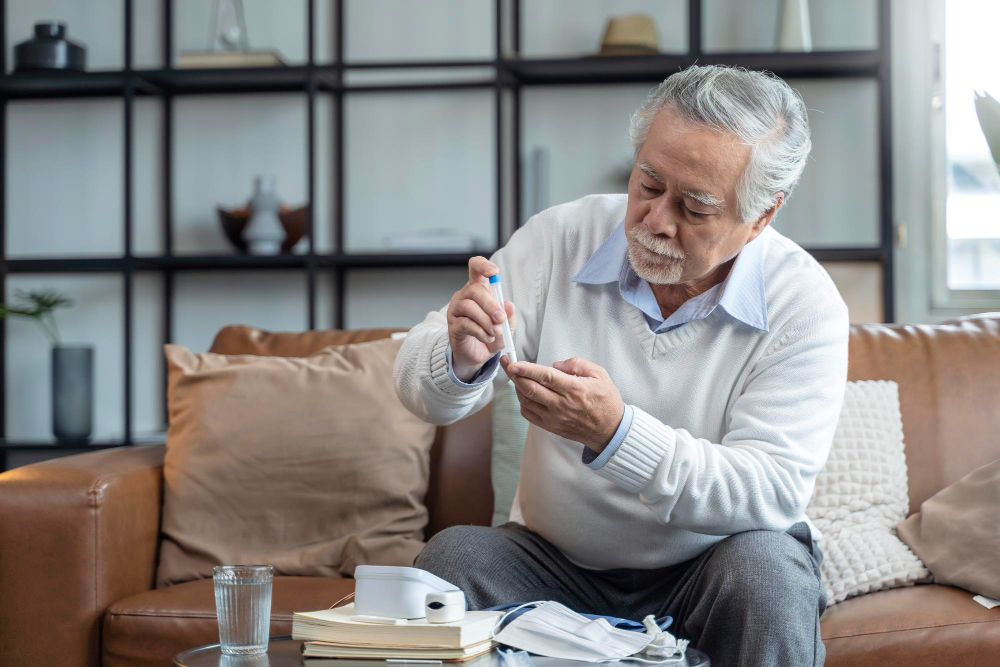
Managing diabetes in seniors is very important for a healthy life. As people age, diabetes can become harder to control. However, with the right steps, seniors can live well. This blog will share simple home tips and explain when to seek professional diabetes support for older adults. We will also discuss common symptoms, risks, and ways to prevent complications. With the right care, seniors can enjoy better health and more energy every day.
Understanding Diabetes in Seniors
Diabetes is a condition where the body cannot control blood sugar well. In seniors, this problem is more common. Age can make it harder for the body to use insulin, the hormone that controls blood sugar. Because of this, older adults are at higher risk for diabetes. According to the CDC, about 25% of people over age 65 have diabetes. As people age, they may also have other health problems that make diabetes care for seniors more complex. Therefore, understanding the basics is the first step to good management.
Common Symptoms and Risks
It is important to know the signs of diabetes in seniors. Early detection can help prevent serious problems. Some symptoms may be mild or mistaken for normal aging. However, knowing what to look for can make a big difference.
Besides these symptoms, seniors with diabetes face higher risks. For example, they may have more infections, heart disease, or kidney problems. Falls and confusion can also happen if blood sugar is too low or too high. Because of these risks, regular monitoring is key.
Simple Home Tips for Managing Diabetes
Managing diabetes at home does not have to be hard. With a few daily habits, seniors can keep their blood sugar in check. Here are some easy home diabetes tips for elderly people:
With these steps, seniors can take charge of their health at home. However, always talk to a doctor before making big changes to your routine.
When to Seek Professional Support
Sometimes, home care is not enough. It is important to know when to get help from a healthcare provider. For example, seek professional diabetes support for older adults if you notice:
Regular check-ups are also important. Doctors can adjust medicines, check for complications, and give advice. In some cases, a diabetes educator or dietitian can help with meal planning and lifestyle changes. For seniors living alone, home health nurses may provide extra support. Because every person is different, professional care should be tailored to each senior’s needs.
Prevention and Lifestyle Guidance
Preventing complications is just as important as daily care. With a few healthy habits, seniors can lower their risk of problems. Here are some tips for a better lifestyle:
Moreover, learning about diabetes care for seniors can help you make smart choices. Many local clinics offer classes or support groups. In some areas, community centers provide special programs for elderly diabetes care. Always ask your doctor about resources near you.
Conclusion
Managing diabetes in seniors takes daily effort and support. With simple home tips and regular professional care, seniors can enjoy a healthier life. If you have questions or notice changes in your health, consult a healthcare specialist at Sparsh senior care for personalized diabetes management advice.