Introduction
After a stroke, recovery can feel overwhelming. However, home-based neurorehabilitation offers hope and support. This approach helps people regain skills and independence in their own homes. In fact, home-based neuro-rehabilitation uses special exercises and therapies to speed up stroke recovery. Many experts, including the World Health Organization (WHO), recommend early and regular rehabilitation for better outcomes. Let’s explore how this method works and why it matters for stroke survivors.
What Is Home-Based Neurorehabilitation?
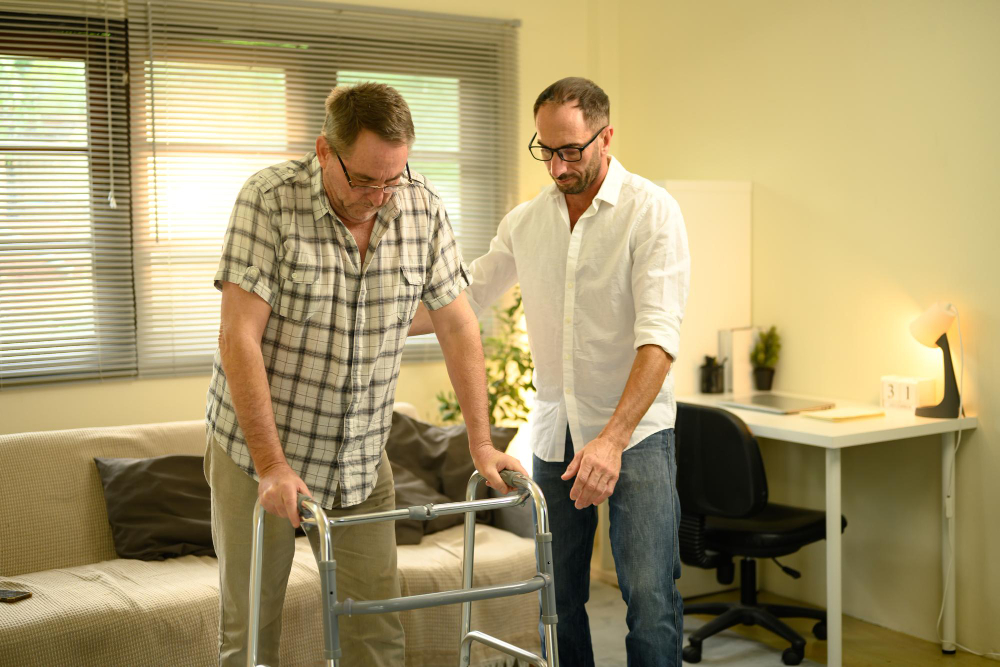
Home-based neurorehabilitation is a type of therapy done at home after a stroke. It focuses on helping the brain relearn lost skills. For example, it may include exercises for movement, speech, or memory. Unlike hospital care, this therapy happens in a familiar setting. As a result, many people feel more comfortable and motivated. Therapists may visit the home or guide family members to help with exercises. This approach is flexible and can fit each person’s needs.
Benefits of Home-Based Neurorehabilitation for Stroke Recovery
There are many reasons to choose home-based neurorehabilitation after a stroke. Not only does it offer comfort, but it also brings several key benefits:
According to the CDC, regular rehabilitation improves recovery and helps prevent future problems. Therefore, home-based care can play a big role in long-term health.
Key Components of a Home-Based Neuro-Rehabilitation Program
Every home-based neuro-rehabilitation program is unique. Yet, most plans include several important parts:
Often, therapists will create a schedule and teach family members how to help. This teamwork can make a big difference in recovery.
How Home-Based Therapy Accelerates Recovery After Stroke
Home-based neurorehabilitation speeds up stroke recovery in several ways. First, therapy starts sooner because there is no need to wait for hospital appointments. Next, daily practice at home helps the brain form new connections faster. For example, repeating simple tasks each day can rebuild lost skills. In addition, family support keeps motivation high. Studies in medical journals show that early, frequent rehabilitation leads to better results. Therefore, home-based therapy is a powerful tool for stroke survivors.
Tips for Success: Making the Most of Home-Based Rehabilitation
To get the best results from home-based neurorehabilitation, consider these tips:
Above all, stay patient and positive. Recovery takes time, but steady effort brings results.
Safety Considerations and When to Seek Professional Help
While home-based neurorehabilitation is safe for most people, some risks exist. For instance, exercises may cause falls or injuries if not done correctly. Therefore, always follow your therapist’s advice. If you feel pain, dizziness, or new symptoms, stop and contact your doctor. In addition, seek help if you notice:
These signs may need urgent medical care. Remember, safety comes first during recovery.
Conclusion
In summary, home-based neurorehabilitation offers a safe, effective way to speed up stroke recovery. It brings therapy into daily life, making progress easier and more comfortable. With the right plan and support, many stroke survivors regain skills and confidence. Book your consultation at sparsh senior care today.