Introduction: What Is Independent Living for Seniors?
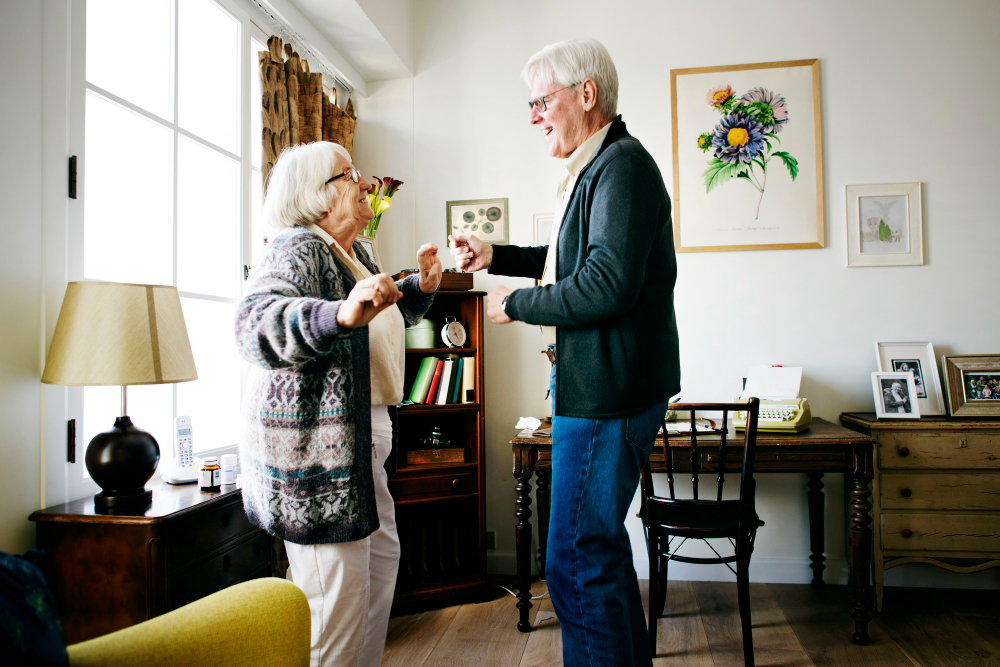
Independent living for seniors means older adults can live safely and comfortably in their own homes. Many families want their loved ones to stay independent as long as possible. However, as people age, daily tasks can become harder. For this reason, making a home safe and easy to use is very important. A well-designed space supports both safety and well-being.
Common Challenges Seniors Face at Home
Many seniors face challenges that can make living at home difficult. For example, poor lighting or slippery floors can lead to falls. In addition, stairs and narrow doorways may limit movement. Sometimes, reaching shelves or using the bathroom safely is hard. Because of these issues, families must look for ways to help seniors stay safe and comfortable.
Essential Features of a Senior-Friendly Living Space
To create a senior-friendly home, focus on these key features:
Safety Tips and Fall Prevention Strategies
Falls are a leading cause of injury in seniors, according to the CDC. Therefore, preventing falls is key. Here are some simple steps:
With these changes, you can lower the risk of falls and injuries.
Technology and Smart Home Solutions for Seniors
Today, technology can make independent living for seniors much easier. For instance, smart lights can turn on with a voice command. Video doorbells let seniors see who is at the door without getting up. In addition, medication reminders and smart pill boxes help with daily routines. Some homes use sensors to alert family if a senior needs help. Because of these tools, seniors can feel safer and more connected.
Lifestyle and Social Considerations
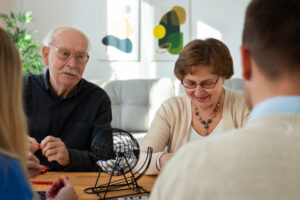
Staying active and social is important for seniors’ well-being. For example, joining local clubs or classes can help prevent loneliness. In addition, regular visits from friends or family boost mood and health. Many communities offer senior centers with fun activities. Because social ties matter, families should encourage seniors to stay involved.
When to Consult Healthcare Professionals or Occupational Therapists
Sometimes, making a home safe for seniors needs expert advice. Occupational therapists can suggest changes that fit each person’s needs. If your loved one has trouble moving, eating, or bathing, it is wise to seek help. Healthcare professionals can also check for health risks and suggest the best solutions. Early advice can prevent accidents and support independence.
Practical Checklist for Families
Use this checklist to make your home safer and more comfortable for seniors:
Conclusion: Take Steps for Safe and Comfortable Living
In summary, independent living for seniors is possible with the right changes at home. By focusing on safety, comfort, and social needs, families can help seniors enjoy their independence. If you have questions or need guidance, consult a healthcare professional or occupational therapist at Sparsh Senior Care. They can offer advice tailored to your loved one’s needs.