Introduction
Parkinson’s disease is a brain disorder that mostly affects movement. However, many people do not realize that it also causes other problems. These are called non-motor symptoms of Parkinson’s. While tremors and stiffness are well known, non-motor symptoms can appear early and impact daily life. Recognizing these signs is important for early care and better quality of life.
What Are Non-Motor Symptoms of Parkinson’s?
Non-motor symptoms are problems that do not involve movement. For example, they can affect mood, sleep, or thinking. In fact, these symptoms may appear before movement problems. Because of this, they are sometimes called early signs of Parkinson’s. Non-motor symptoms of Parkinson’s disease can be hard to notice at first. Yet, they are just as important as motor symptoms.
Common Non-Motor Symptoms
People with Parkinson’s disease may experience a range of non-motor symptoms. Some of the most common include:
Additionally, some people may notice loss of smell, constipation, or bladder problems. These symptoms can vary from person to person.
How Non-Motor Symptoms Affect Daily Life
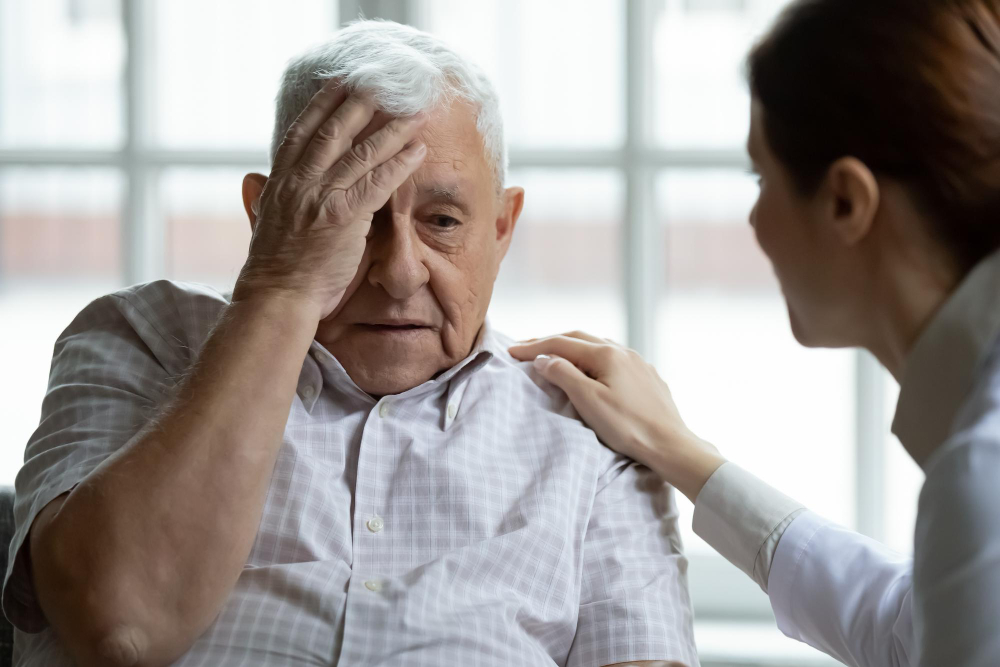
Non-motor symptoms can make daily tasks harder. For instance, sleep problems may cause tiredness during the day. Mood changes can affect relationships and work. Because of memory or thinking issues, some people may struggle with planning or making decisions. Autonomic symptoms, like low blood pressure, can lead to dizziness or falls. Pain and fatigue may limit physical activity. As a result, these symptoms can lower quality of life. It is important to talk about them with your doctor.
Diagnosis and When to Seek Help
Doctors use medical history, exams, and sometimes tests to find non-motor symptoms. Early signs of Parkinson’s, such as mood changes or sleep problems, should not be ignored. If you notice any of these symptoms, talk to your healthcare provider. Early diagnosis helps with managing Parkinson’s symptoms and planning care. In many cases, non-motor symptoms can be treated or improved.
Management and Lifestyle Tips
Managing Parkinson’s disease non-motor symptoms often involves a team approach. Here are some helpful tips:
In addition, your doctor may suggest medicines or therapy for certain symptoms. Always follow your healthcare provider’s advice.
Prevention and Early Detection
Currently, there is no sure way to prevent Parkinson’s disease. However, early detection of non-motor symptoms can lead to better care. For example, noticing changes in mood, sleep, or thinking can help start treatment sooner. Regular check-ups and open talks with your doctor are key. According to the World Health Organization and other experts, early action can improve long-term outcomes.
Conclusion
Non-motor symptoms of Parkinson’s are common and can affect many parts of life. Because they may appear early, it is important to watch for these signs. If you or a loved one notice these symptoms, consult a healthcare professional at Sparsh Senior Care for personalized advice.