What Is Post-Stroke Fatigue in Seniors?
Post-stroke fatigue in seniors is a common problem after a stroke. It means feeling very tired, even after rest. For many seniors, this tiredness can last for weeks or months. As a result, recovery can feel slow and hard. Unlike normal tiredness, post-stroke fatigue does not always improve with sleep. Instead, it can affect daily life and make simple tasks feel overwhelming. Many seniors and their families notice that energy levels are low, which can make stroke recovery more difficult. Understanding this condition is the first step to better care and support.
Common Symptoms and How to Recognize Them
It is important to spot the signs of post-stroke fatigue early. While everyone may feel tired sometimes, this type of fatigue is different. For example, seniors may:
Because these symptoms can be subtle, family and caregivers should watch for changes in mood or energy. If you notice these signs, talk to a doctor for advice.
Why Does Recovery Feel Slow After a Stroke?
After a stroke, the brain and body need time to heal. However, post-stroke fatigue in seniors can make this process feel even slower. Since the brain is working hard to repair itself, it uses more energy. In addition, seniors may have other health problems that slow recovery. For many, simple tasks like walking or talking can take extra effort. As a result, progress may seem slow, but small steps forward are still important. Patience and support can help seniors stay motivated during recovery.
Causes and Risk Factors of Post-Stroke Fatigue
There are several reasons why seniors may feel tired after a stroke. Some common causes include:
Because seniors often have more than one health issue, they may be at higher risk for post-stroke fatigue. According to the World Health Organization, up to 70 percent of stroke survivors report fatigue. Knowing the causes can help families and doctors find better ways to manage it.
Diagnosis: How Doctors Identify Post-Stroke Fatigue
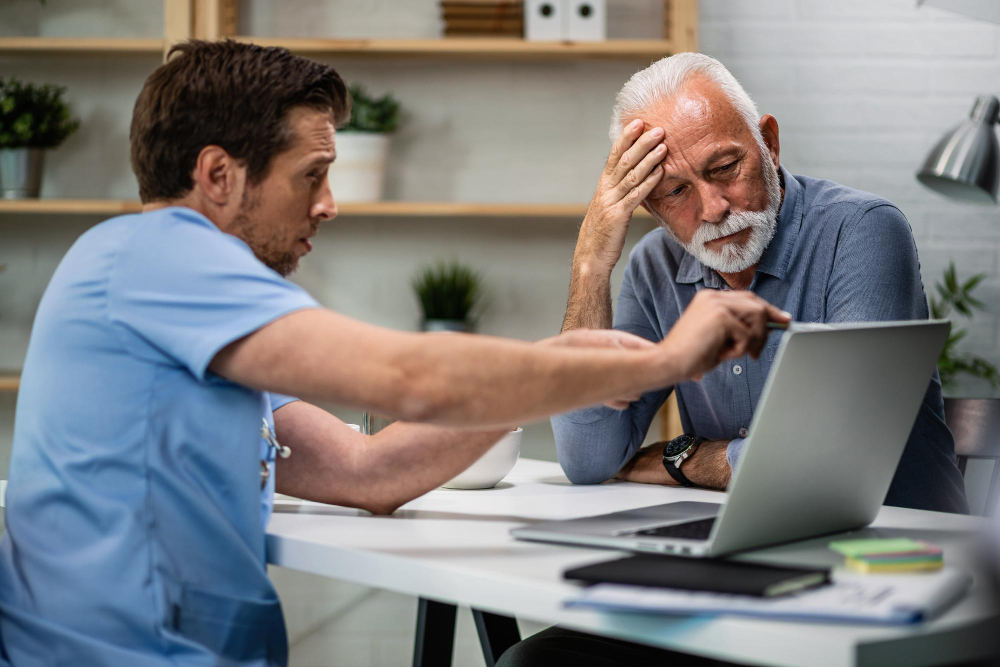
Doctors use several steps to diagnose post-stroke fatigue in seniors. First, they ask about symptoms and daily routines. Next, they may check for other health problems that could cause tiredness. Sometimes, doctors use simple questionnaires to measure how much fatigue affects daily life. In some cases, blood tests or scans may be needed to rule out other issues. Because there is no single test for post-stroke fatigue, open communication with your doctor is key. Early diagnosis can lead to better care and faster recovery.
Treatment Options and Rehabilitation Strategies
There are many ways to treat post-stroke fatigue in seniors. While there is no quick fix, a mix of treatments can help. For example, doctors may suggest:
Because every senior is different, treatment plans should be tailored to each person. Regular check-ins with a rehabilitation specialist can help track progress and adjust care as needed.
The Role of Support: Family, Caregivers, and Community
Support from family, caregivers, and the community is vital for seniors with post-stroke fatigue. For instance, loved ones can help with daily tasks or offer encouragement. Community programs, such as senior centers or stroke support groups, provide social connections and helpful resources. In addition, caregivers can help track symptoms and share updates with doctors. Because recovery is a team effort, strong support can make a big difference in how seniors feel and heal.
Lifestyle Tips for Managing Fatigue at Home
Managing post-stroke fatigue at home is possible with simple changes. Here are some helpful tips:
Because small changes can add up, try one or two tips at a time. Over time, these habits can help improve energy and mood.
Prevention and Long-Term Outlook
While it may not be possible to prevent all post-stroke fatigue, some steps can lower the risk. For example, managing other health problems, staying active, and following a healthy diet can help. Regular check-ups with your doctor are also important. With the right care and support, many seniors see their energy improve over time. Although recovery may be slow, most people can regain independence and enjoy life again.
For personalized support and guidance, consult a rehabilitation specialist at Sparsh senior care. They can help create a plan that fits your needs and goals.