
Why Bathroom Safety Matters for Seniors
Bathroom safety for seniors is very important. As people age, they may have trouble with balance or strength. Because of this, bathrooms can become risky places. In fact, the CDC reports that most falls happen at home, and many occur in the bathroom. Even simple tasks like bathing or using the toilet can lead to slips or falls. For this reason, keeping bathrooms safe helps seniors stay independent and avoid injury. Families and caregivers should know that small changes can make a big difference.
Common Bathroom Hazards for Older Adults
Many bathrooms have hidden dangers for seniors. For example, wet floors can be very slippery. Also, tubs and showers often have high sides that are hard to step over. Sometimes, small rugs or mats can slide, causing falls. In addition, poor lighting makes it hard to see hazards. Because of these risks, it is important to look for trouble spots in every bathroom. Here are some common hazards:
Simple Modifications to Improve Bathroom Safety
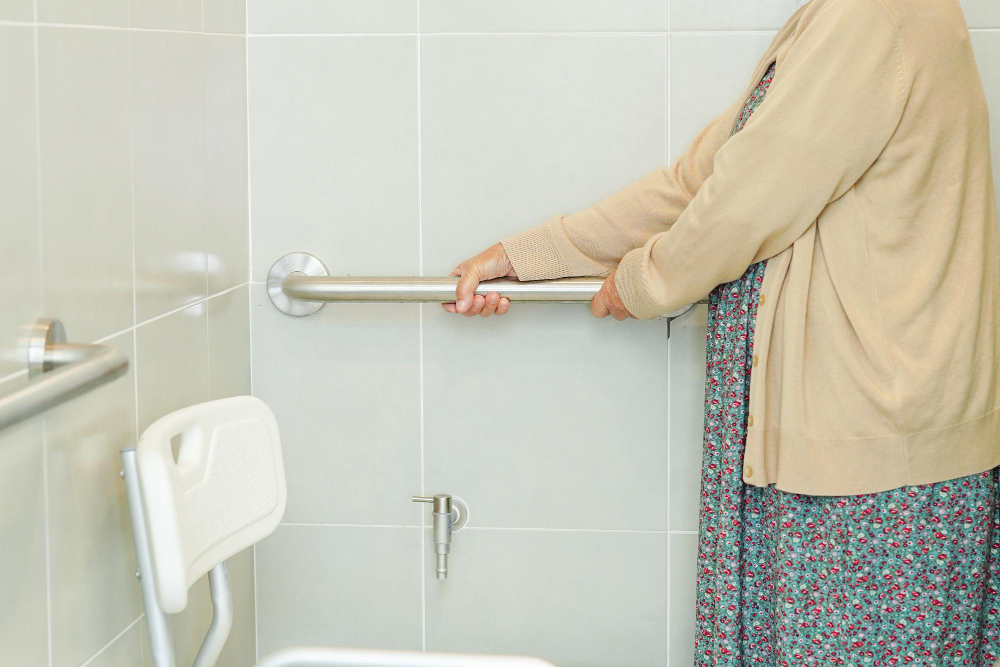
Fortunately, there are many easy bathroom safety tips for seniors. Even small changes can help prevent falls in the bathroom. For example, adding grab bars for elderly family members gives extra support. In addition, non-slip mats reduce the risk of slipping. Here are some senior bathroom modifications you can try:
In colder climates, make sure the bathroom stays warm to prevent shivering, which can affect balance. Also, check if local building codes allow for certain types of grab bars or seats.
How to Choose and Install Safety Equipment
Choosing the right safety equipment is important. First, look for products made for seniors or people with limited movement. Many stores offer grab bars, raised toilet seats, and shower chairs. When picking grab bars, make sure they can hold enough weight. For best results, install grab bars into wall studs, not just drywall. If you are unsure, ask a professional for help. Some equipment, like suction-cup grab bars, may not be safe for everyone. Here are some tips for choosing and installing safety gear:
In some areas, you may need to follow local rules for bathroom changes. Always check before starting any big project.
Tips for Maintaining a Safe Bathroom Environment
Even after making changes, it is important to keep the bathroom safe. For example, clean up water spills right away. In addition, check that grab bars and mats stay in place. Here are some easy ways to keep the bathroom safe every day:
Because safety needs can change, review the bathroom setup often. Adjust as needed to match the senior’s needs.
Preventing Falls and Injuries: Practical Advice
Preventing falls in the bathroom is possible with a few simple steps. For instance, encourage seniors to take their time when moving. Remind them to use grab bars and support aids. If balance is a problem, talk to a doctor about physical therapy. Here are more practical tips:
According to the CDC, most falls can be prevented with simple changes and regular care. By following these easy bathroom safety tips for seniors, families can help loved ones stay safe and independent at home.