Introduction
Cancer prevention is important for everyone. Many people wonder if they can lower their cancer risk. The good news is that simple lifestyle changes can help. For example, eating healthy foods and staying active can make a big difference. In this blog, you will learn about cancer prevention and ways to prevent cancer. These tips are easy to follow and can help you live a healthier life.
What Is Cancer Prevention?
Cancer prevention means taking steps to lower your chance of getting cancer. While not all cancers can be prevented, many can. For instance, avoiding tobacco and eating well are proven ways to reduce cancer risk. Prevention also includes regular health check-ups and screenings. These steps help find problems early, when they are easier to treat.
Why Lifestyle Changes Matter
Many cancers are linked to how we live. However, making healthy choices can lower your risk. According to the World Health Organization (WHO), at least one-third of cancer cases can be prevented. This means your daily habits matter. For example, what you eat, how active you are, and whether you smoke all play a role. Even small changes can have a big impact over time.
Evidence-Based Lifestyle Changes to Reduce Cancer Risk
Healthy Diet Choices
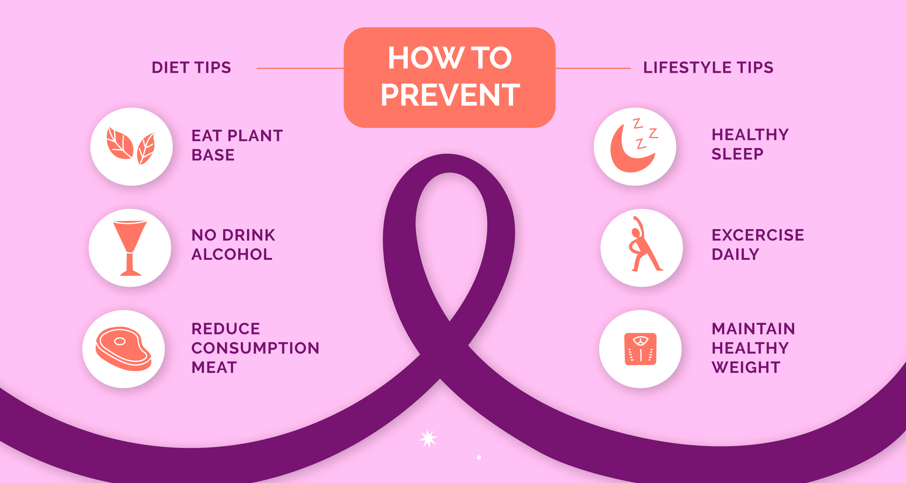
Eating a balanced diet is key for cancer prevention. For example, fruits and vegetables are rich in vitamins and fiber. These foods help protect your body. Additionally, limiting processed meats and sugary drinks can lower your risk. Try to:
These simple changes support a healthy lifestyle for cancer prevention.
Physical Activity and Exercise
Staying active helps reduce cancer risk. For instance, regular exercise can help you maintain a healthy weight. The CDC recommends at least 150 minutes of moderate activity each week. You can try walking, cycling, or swimming. Even small amounts of movement add up. Additionally, being active helps lower the risk of breast, colon, and other cancers.
Avoiding Tobacco and Limiting Alcohol
Tobacco use is the leading cause of cancer worldwide. However, quitting smoking at any age can help. Avoiding secondhand smoke is also important. When it comes to alcohol, less is better. Drinking alcohol increases the risk of several cancers. If you choose to drink, limit your intake. For example, women should have no more than one drink per day, and men no more than two.
Sun Protection and Skin Cancer Prevention
Protecting your skin from the sun helps prevent skin cancer. For example, use sunscreen with at least SPF 30. Additionally, wear hats and sunglasses when outdoors. Try to stay in the shade during midday hours. In sunny areas, these steps are even more important. Avoid tanning beds, as they also increase cancer risk.
Maintaining a Healthy Weight
Being overweight or obese raises the risk of many cancers. However, losing even a small amount of weight can help. Focus on healthy eating and regular exercise. These habits support long-term weight control. For example, choose water instead of sugary drinks and add more vegetables to your meals.
Regular Health Screenings
Screenings help find cancer early, when it is easier to treat. For instance, mammograms can detect breast cancer, and colonoscopies can find colon cancer. Talk to your doctor about which tests are right for you. Additionally, follow recommended schedules for screenings based on your age and family history.
Additional Tips for Cancer Prevention
These extra steps can further reduce your cancer risk.
Common Myths About Cancer Prevention
Understanding these facts can help you make better choices.
Conclusion
In summary, cancer prevention is possible with simple lifestyle changes. Eating well, staying active, and avoiding tobacco are key steps. Additionally, regular screenings and sun protection matter. For personalized cancer prevention advice, consult an expert at Sparsh Senior Care.