
Introduction
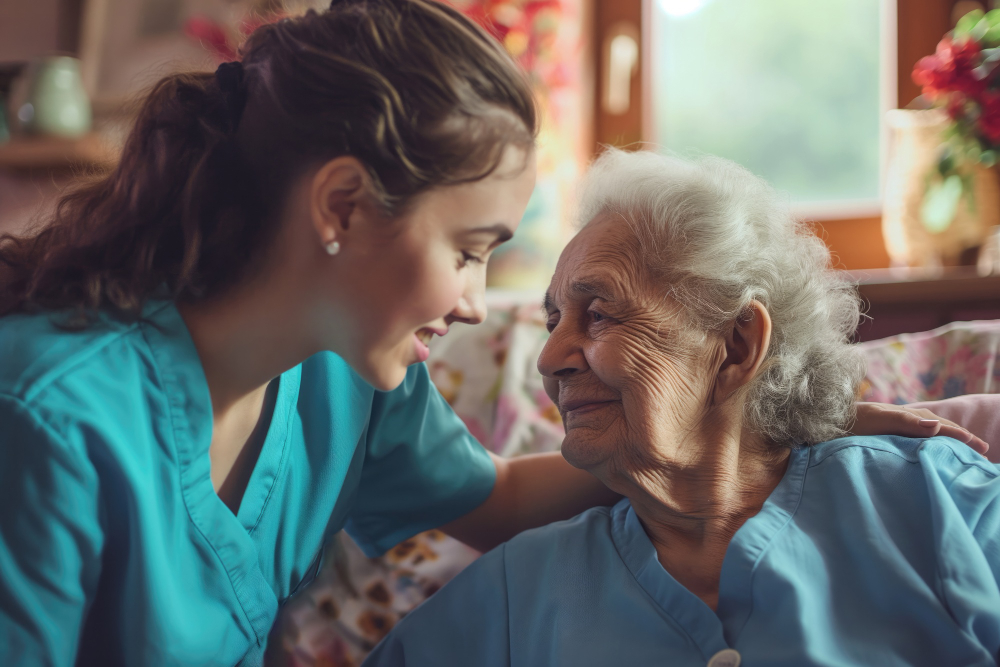
Dementia and Alzheimer’s disease are conditions that affect memory, thinking, and daily life. Dementia is a group of symptoms that make it hard to remember, think, or make decisions. Alzheimer’s disease is the most common type of dementia. Because these conditions often affect older adults, caring for elderly with dementia and Alzheimer’s is very important. With the right home care for dementia patients and expert therapy, families can help loved ones live better and safer lives.
Symptoms and Early Signs
Recognizing early signs helps families get help sooner. For example, memory loss is common, but there are other symptoms too. Early detection can lead to better care and support.
If you notice these signs, it is wise to talk to a doctor. Early action can make a big difference.
Causes and Risk Factors
Many things can lead to dementia and Alzheimer’s. While age is the biggest risk, other factors also play a role. Knowing these can help with prevention and early care.
Although some risks cannot be changed, healthy habits may lower the chance of getting these conditions.
Home Care Strategies
Home care for dementia patients is key to their comfort and safety. Simple changes can help both the patient and their family.
Daily Routines
With routines, elderly people feel less confused and more secure.
Safety Tips
These steps can prevent falls and accidents at home.
Communication Techniques
Good communication reduces stress for everyone involved.
Role of Expert Therapy
Expert therapy can improve life for those with dementia and Alzheimer’s. Therapists use special methods to help patients stay active and independent. For example, Alzheimer’s therapy for elderly may include different types of therapy.
Physical Therapy
Staying active helps maintain mobility and health.
Occupational Therapy
Occupational therapists make daily life easier for patients and caregivers.
Cognitive Therapy
With regular sessions, cognitive therapy can slow memory loss and improve mood.
Lifestyle and Support Tips for Caregivers
Caring for someone with dementia is challenging. However, support and self-care are vital for caregivers. Here are some dementia care tips at home:
Remember, caring for yourself helps you care better for your loved one.
Prevention and Early Intervention
Although not all cases can be prevented, some steps may lower risk. Early intervention can also slow the progress of dementia and Alzheimer’s.
Early check-ups and healthy habits can make a big difference in long-term health.
Conclusion
Caring for elderly with dementia and Alzheimer’s takes patience, love, and the right support. Home care, expert therapy, and healthy routines can improve quality of life. For the best results, consult Sparsh Senior Care for personalized dementia care guidance.